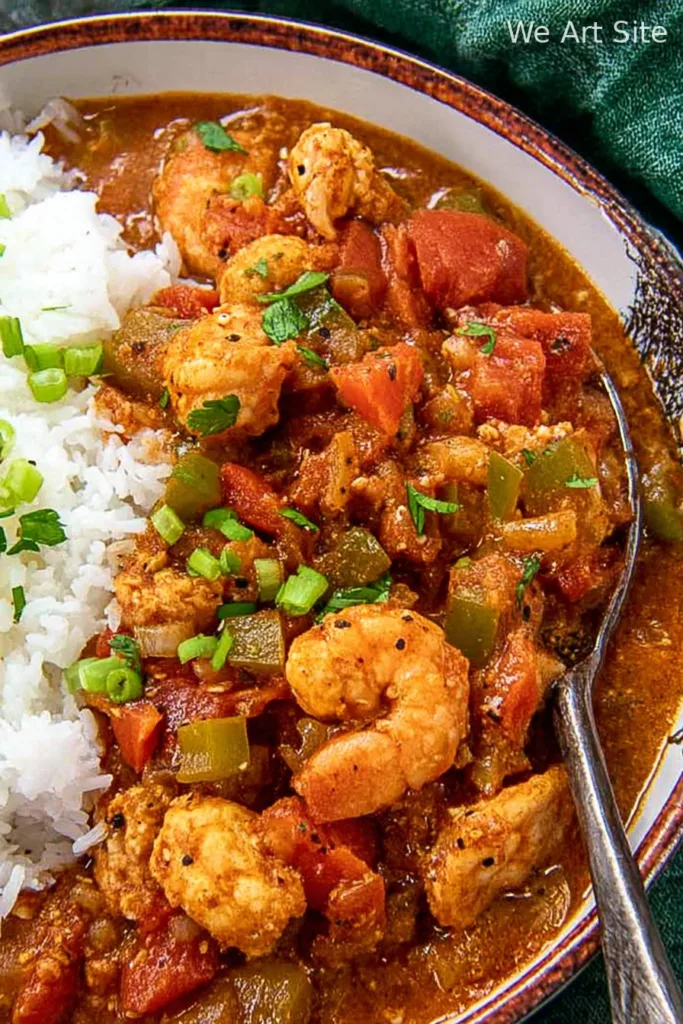
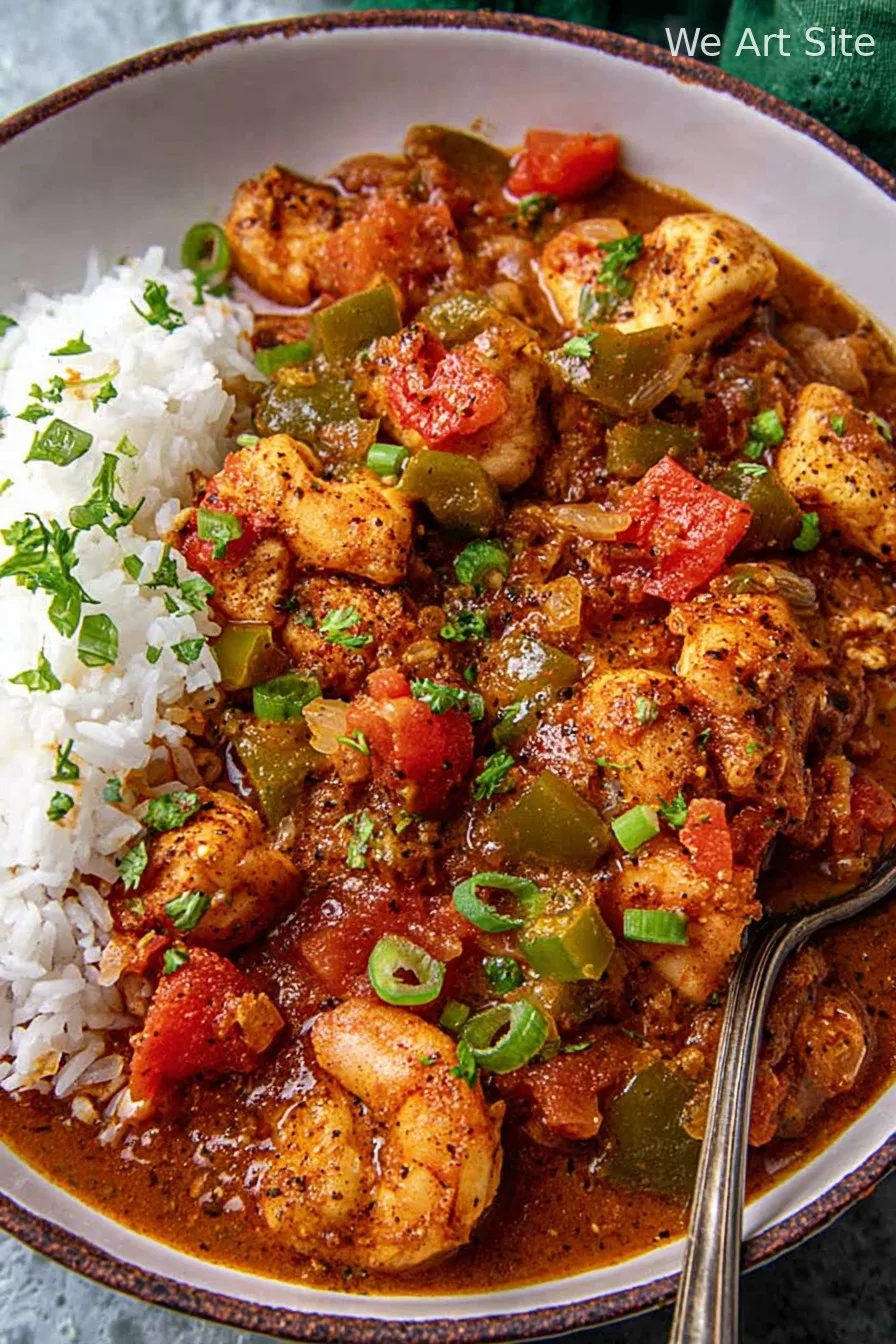
Hey y’all! If you’re craving a soul-warming Cajun dish that brings true Creole flavor to the table, this Couvillion Recipe (Creole Courtbouillon) is just the thing. With its zesty tomato base, tender flaky fish, and pops of fresh herbs, this savory stew is ideal for cozy weeknights, festive gatherings, or celebrating Louisiana tradition. Each bite bursts with comforting flavor and just enough Cajun spice to keep your taste buds dancing. Let’s get cooking!
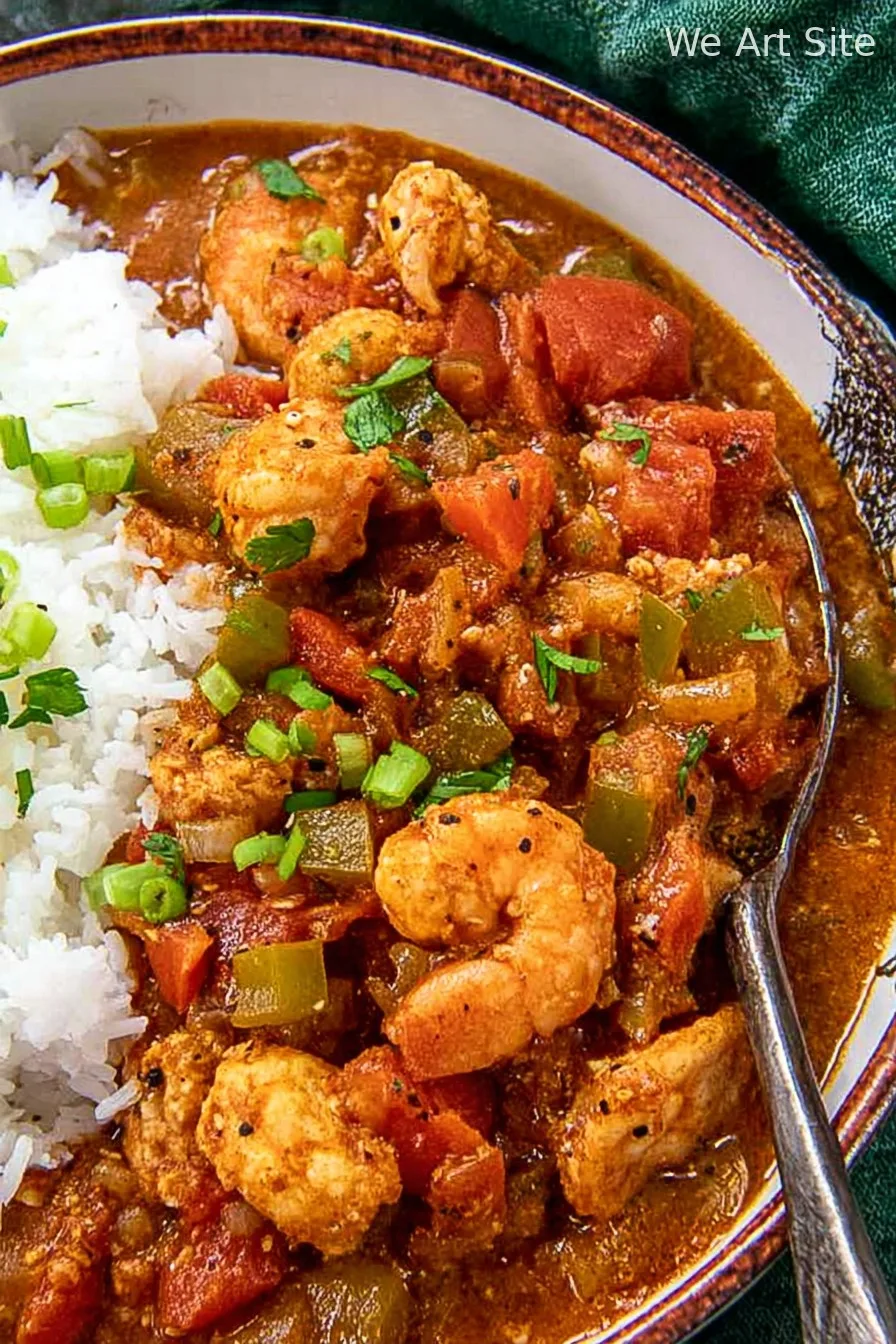
Why You’ll Love This Classic Couvillion Recipe
- Brimming with bold Creole flavor in every comforting spoonful.
- Perfect for sharing with loved ones, whether it’s a weeknight or special celebration.
- Customizable with your favorite firm white fish or seafood mix.
- Simple one-pot recipe for easy cleanup and big results.
- Pairs beautifully with rice or crusty bread for a hearty, satisfying meal.
Ingredients
- 2 lbs firm white fish (catfish, redfish, or snapper), cut into 2-inch pieces
- 2 tablespoons vegetable oil
- 1 large yellow onion, finely chopped
- 1 green bell pepper, diced
- 2 celery stalks, diced
- 4 cloves garlic, minced
- 1 (15 oz) can crushed tomatoes
- 2 tablespoons tomato paste
- 3 cups seafood or chicken stock
- 1 bay leaf
- 1 teaspoon smoked paprika
- 1 teaspoon Creole seasoning (or Cajun seasoning)
- 1/2 teaspoon dried thyme
- 1/4 teaspoon cayenne pepper (adjust to taste)
- Salt and black pepper, to taste
- 1/4 cup chopped fresh parsley
- 3 green onions, thinly sliced
- Cooked white rice, for serving
- Lemon wedges, for serving
How to Make Creole Couvillion (Courtbouillon)
Step 1: Sauté the Holy Trinity
Heat the vegetable oil over medium heat in a large Dutch oven or heavy pot. Add the onions, bell pepper, and celery, and sauté for 5–7 minutes until soft and translucent. Stir in the garlic and cook for another 1 minute until fragrant.
Step 2: Build the Flavorful Base
Add the tomato paste, crushed tomatoes, smoked paprika, Creole seasoning, thyme, cayenne, and bay leaf. Stir well and cook for 3 minutes, letting the tomato paste caramelize for extra depth.
Step 3: Simmer the Stew
Pour in the stock and bring to a gentle simmer. Season with salt and black pepper. Reduce heat, cover, and simmer for 25 minutes to allow flavors to meld.
Step 4: Add the Fish
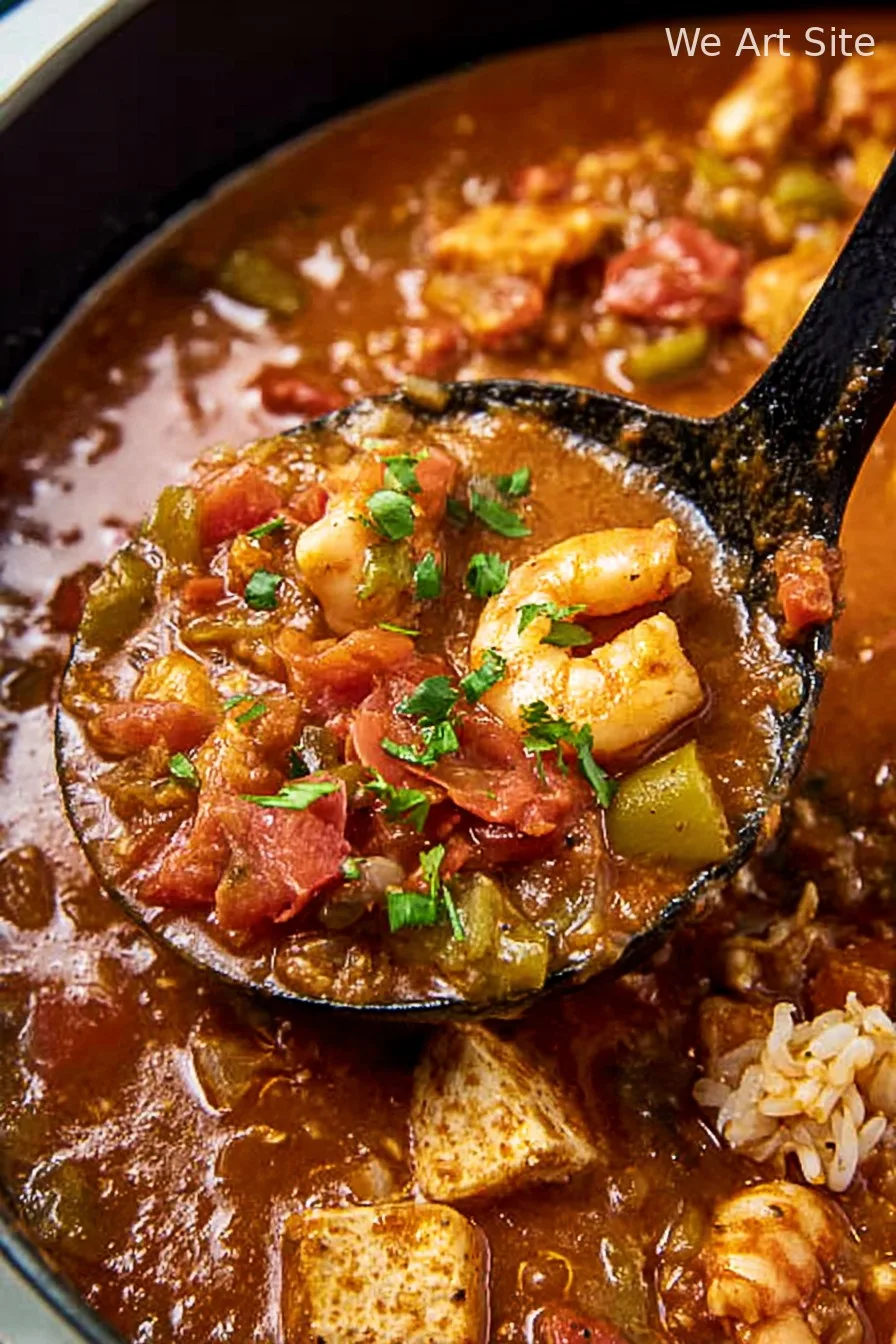
Carefully nestle the fish pieces into the simmering broth. Cover and cook for 10–12 minutes, until the fish is just cooked through and flakes easily with a fork. Avoid stirring vigorously to keep the fish in tender pieces.
Step 5: Finish and Serve
Gently swirl in the chopped parsley and half of the green onions. Taste and adjust seasoning as needed. Serve hot over fluffy white rice and garnish with remaining green onions and a squeeze of lemon.
Notes
- Choose a firm, mild white fish so it holds up well during simmering.
- For extra richness, toss in a few raw shrimp during the last 5 minutes of cooking.
- Letting the stew sit for 15 minutes before serving allows the flavors to deepen.
Variations
- Seafood Couvillion: Add peeled shrimp, crawfish tails, or scallops alongside the fish.
- Spicy Andouille Twist: Stir in sliced andouille sausage for a smoky kick.
- Vegetarian Courtbouillon: Swap fish for hearty mushrooms and add okra for a Creole veggie version.
Required Equipment
- Large Dutch oven or heavy-bottomed pot
- Wooden spoon
- Sharp knife and cutting board
- Ladle for serving
Storage Instructions
Let the couvillion cool completely, then transfer to an airtight container. Refrigerate for up to 3 days. For longer storage, freeze for up to 2 months. Reheat gently on the stove over low heat until hot, stirring occasionally to avoid breaking up the fish.
Serving Suggestions & Pairings
- Spoon over fluffy white rice or jambalaya rice for a classic touch.
- Serve with hot, crusty French bread to soak up the rich tomato gravy.
- Pair with a simple green salad or sautéed greens for freshness.
- A chilled Sauvignon Blanc or crisp lager complements the bold flavors beautifully.
Pro Tips for Couvillion Success
- Use fresh, high-quality fish for the cleanest flavor and best texture.
- Don’t rush the simmer—slow cooking brings out the depth and complexity of the stew.
- Garnish generously with bright herbs for a burst of freshness at serving time.
FAQ
What is the difference between couvillion and étouffée?
Couvillion is a tomato-based Creole fish stew, while étouffée usually features a roux-based sauce and is often made with shellfish.
Can I use frozen fish?
Yes! Just thaw it completely and pat dry before adding to the stew for best texture.
Is this recipe spicy?
This Couvillion recipe has a gentle heat from cayenne and Creole seasoning, but you can adjust the spice level to suit your preference.
Prep & Cook Time
- Prep Time: 15 minutes
- Cook Time: 45 minutes
- Total Time: 1 hour
Ingredients
- 2 lbs firm white fish fillets (catfish, redfish, or snapper)
- 2 tablespoons vegetable oil
- 1 large onion, chopped
- 1 green bell pepper, chopped
- 2 celery stalks, chopped
- 3 cloves garlic, minced
- 1 (14 oz) can diced tomatoes
- 1 cup tomato sauce
- 2 cups fish stock or water
- 1 teaspoon Creole seasoning
- 1/2 teaspoon dried thyme
- 1 bay leaf
- Salt and black pepper to taste
- Chopped green onions and parsley for garnish
- Cooked white rice, for serving
Instructions
-
1Pat fish fillets dry, season with salt, black pepper, and half of the Creole seasoning. Set aside.
-
2Heat vegetable oil in a large Dutch oven over medium heat. Sauté onion, bell pepper, and celery until softened, about 5 minutes.
-
3Add garlic, diced tomatoes, tomato sauce, remaining Creole seasoning, thyme, and bay leaf. Cook for 2-3 minutes, stirring to combine.
-
4Pour in fish stock (or water). Bring to a gentle simmer, reduce heat, and cook uncovered for 25 minutes, stirring occasionally.
-
5Add fish fillets to the pot, nestling them into the sauce. Simmer gently for 12-15 minutes, or until fish is cooked through and flakes easily.
-
6Remove bay leaf. Adjust seasoning with salt and pepper if needed. Serve over cooked white rice and garnish with green onions and parsley.
CLICK FOR NUTRITION INFO
↑
Approximate Information for One Serving
Serving Size:
1 serving
Calories:
275cal
Protein:
32 gg
Fat:
8 gg
Saturated Fat:
0g
Trans Fat:
0g
Cholesterol:
0mg
Sodium:
0mg
Potassium:
0mg
Total Carbs:
19 gg
Fiber:
0g
Sugar:
0g
Net Carbs:
0g
Vitamin A:
0
Vitamin C:
0mg
Calcium:
0mg
Iron:
0mg
Nutrition Disclaimers
Number of total servings shown is approximate. Actual number of servings will depend on your preferred portion sizes.
Nutritional values shown are general guidelines and reflect information for 1 serving using the ingredients listed, not including any optional ingredients. Actual macros may vary slightly depending on specific brands and types of ingredients used.
To determine the weight of one serving, prepare the recipe as instructed. Weigh the finished recipe, then divide the weight of the finished recipe (not including the weight of the container the food is in) by the desired number of servings. Result will be the weight of one serving.
Did you make this recipe?
Please consider Pinning it!!