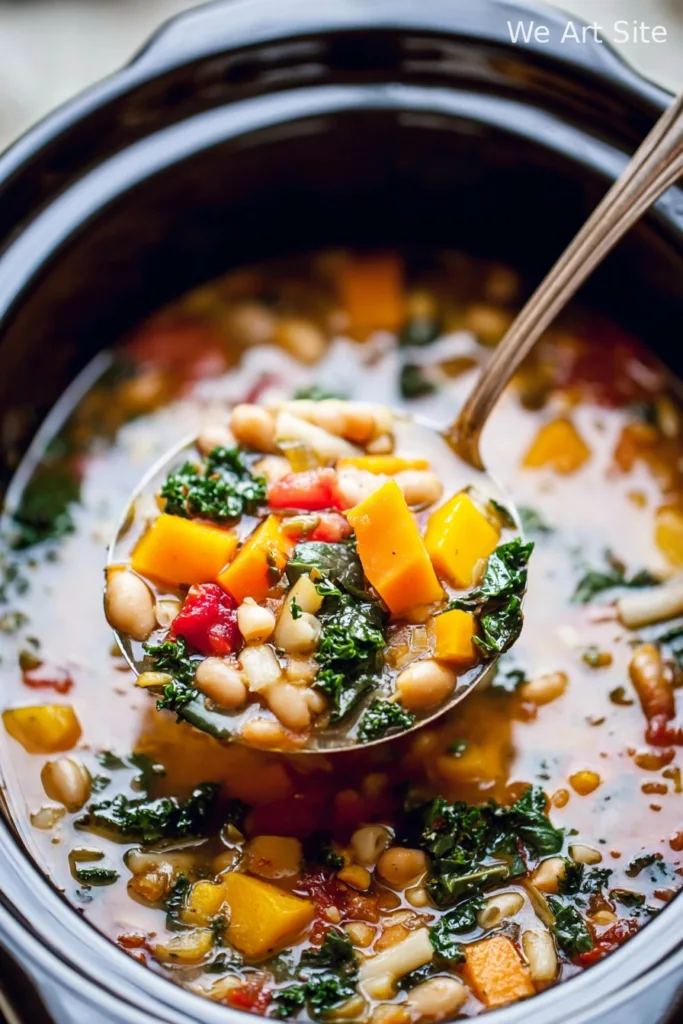
Hey y’all! If there’s ever a soup that can turn a cold, blustery evening into a warm, soul-soothing experience, it’s Winter Minestrone. Packed with seasonal veggies, creamy beans, and a flavorful broth, this hearty Italian soup is perfect for family dinners, meal prep, or just curling up with a cozy bowl by the fire. Plus, it’s super flexible—clean out your fridge and make magic! Let’s get cooking!
Why You’ll Love This Winter Minestrone
- Loaded with nourishing winter vegetables for immune-boosting goodness.
- Totally vegetarian (and easily vegan!) yet extremely satisfying and filling.
- Freezes beautifully for a quick meal any night of the week.
- Simple to prepare with pantry staples and easy-to-find produce.
- Customizable with your favorite beans, pasta, or greens.
Winter Minestrone Ingredients
- 2 tablespoons extra-virgin olive oil
- 1 large yellow onion, diced
- 3 cloves garlic, minced
- 2 medium carrots, peeled and sliced (about 1 cup)
- 2 celery stalks, chopped (about 1 cup)
- 2 cups diced butternut squash (fresh or frozen)
- 1 medium russet potato, peeled and diced
- 1 (15-ounce) can diced tomatoes with juices
- 1 teaspoon dried oregano
- 1 teaspoon dried thyme
- 6 cups low-sodium vegetable broth
- 1 (15-ounce) can cannellini beans, drained and rinsed
- 1 (15-ounce) can red kidney beans, drained and rinsed
- 1 cup small pasta (like ditalini or elbow macaroni)
- 3 cups chopped kale (stems removed)
- 1/2 teaspoon crushed red pepper flakes (optional)
- Salt and black pepper to taste
- Grated Parmesan cheese, for serving (optional)
How to Make Winter Minestrone soup
Prep the Base
- In a large Dutch oven or heavy-bottomed soup pot, heat the olive oil over medium heat.
- Add the diced onion, carrot, and celery. Sauté for 6-7 minutes, stirring occasionally, until veggies are softened and fragrant.
- Stir in the minced garlic and cook for 1 more minute.
Add the Winter Veggies
- Add the butternut squash and potato to the pot. Season with a pinch of salt and black pepper.
- Pour in diced tomatoes with juices, oregano, thyme, and red pepper flakes (if using). Stir well.
- Pour in the vegetable broth, scraping up any browned bits from the bottom of the pot. Increase the heat and bring everything to a gentle boil.
Simmer and Finish
- Reduce heat to medium-low, cover partially, and simmer for 20 minutes or until the squash and potatoes are tender.
- Add the cannellini beans, kidney beans, and pasta. Continue to simmer uncovered for 8-10 minutes, or until the pasta is al dente.
- Stir in the chopped kale and cook for another 2-3 minutes, just until wilted.
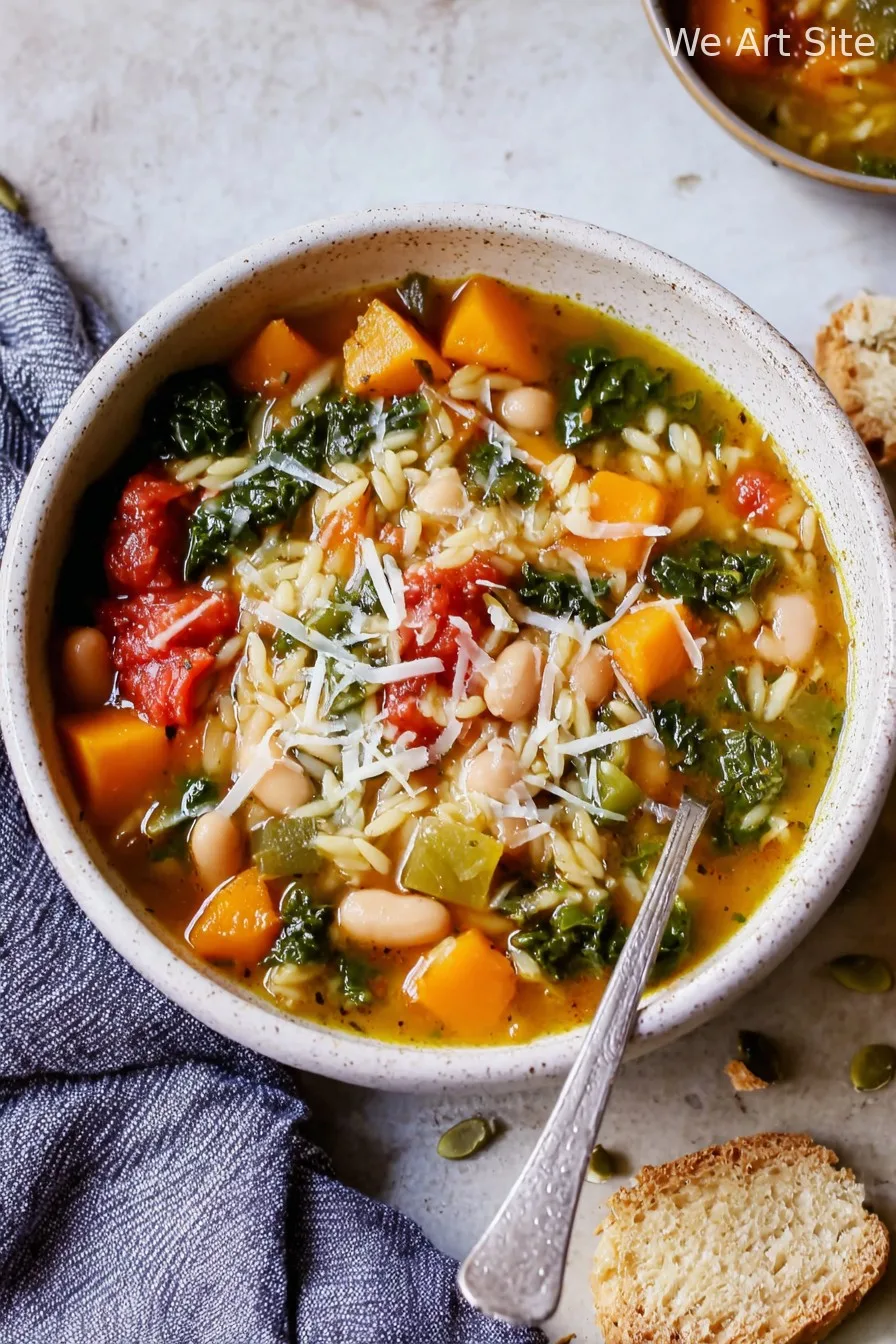
- Taste and adjust salt and pepper as needed. Serve hot with a sprinkle of Parmesan (if desired).
Notes & Tips for Perfect Winter Minestrone
- Chop vegetables uniformly to ensure even cooking.
- If you’re serving later, cook the pasta separately to prevent sogginess—learn more about pasta cooking techniques from Serious Eats.
- Add a Parmesan rind to the simmering soup for deeper umami flavor, then discard before serving.
Winter Minestrone Variations
- Protein Boost: Stir in diced rotisserie chicken or cooked Italian sausage for a meaty version.
- Legume Swap: Use chickpeas or lentils in place of beans for a different texture and taste.
- Vegan Delight: Skip the cheese and add a spoonful of vegan pesto for extra zing.
Required Equipment for Winter Minestrone
- Large Dutch oven or soup pot (at least 6-quart)
- Chef’s knife and cutting board
- Ladle
- Wooden spoon or spatula
Storage Instructions for Winter Minestrone Soup
Allow the soup to cool completely before transferring to airtight containers. Store in the refrigerator for up to 4 days. For longer storage, freeze portions for up to 3 months. Thaw overnight in the fridge and reheat gently on the stovetop, adding water or broth as needed—more advice on safe food storage at FoodSafety.gov.
Serving & Pairing Suggestions for Winter Minestrone
- Serve with warm, crusty bread for dunking.
- Top with a dollop of basil pesto or a swirl of good olive oil.
- Pair with a fresh green salad or a simple cheese board for a complete meal.
Pro Tips for the Best Winter Minestrone
- For extra richness, stir in a spoonful of tomato paste with your aromatics—learn how tomato paste builds flavor at Cook’s Illustrated.
- Use homemade broth for the deepest, cleanest flavors.
- Add greens like spinach or Swiss chard in the last minutes of cooking to keep them vibrant and tender.
Winter Minestrone Soup FAQ
- Can I make Winter Minestrone ahead of time?
- Absolutely! The flavors only get better as it sits. Just leave out the pasta and add it when reheating for best texture.
- What pasta works best in Winter Minestrone?
- Use small shapes like ditalini, elbow macaroni, or small shells so they won’t overwhelm the chunky veggies.
- How can I make Winter Minestrone gluten-free?
- Simply substitute with your favorite gluten-free pasta or use diced potatoes for extra body instead.
Prep Time: 15 minutes | Total Time: 50 minutes | Serves: 6
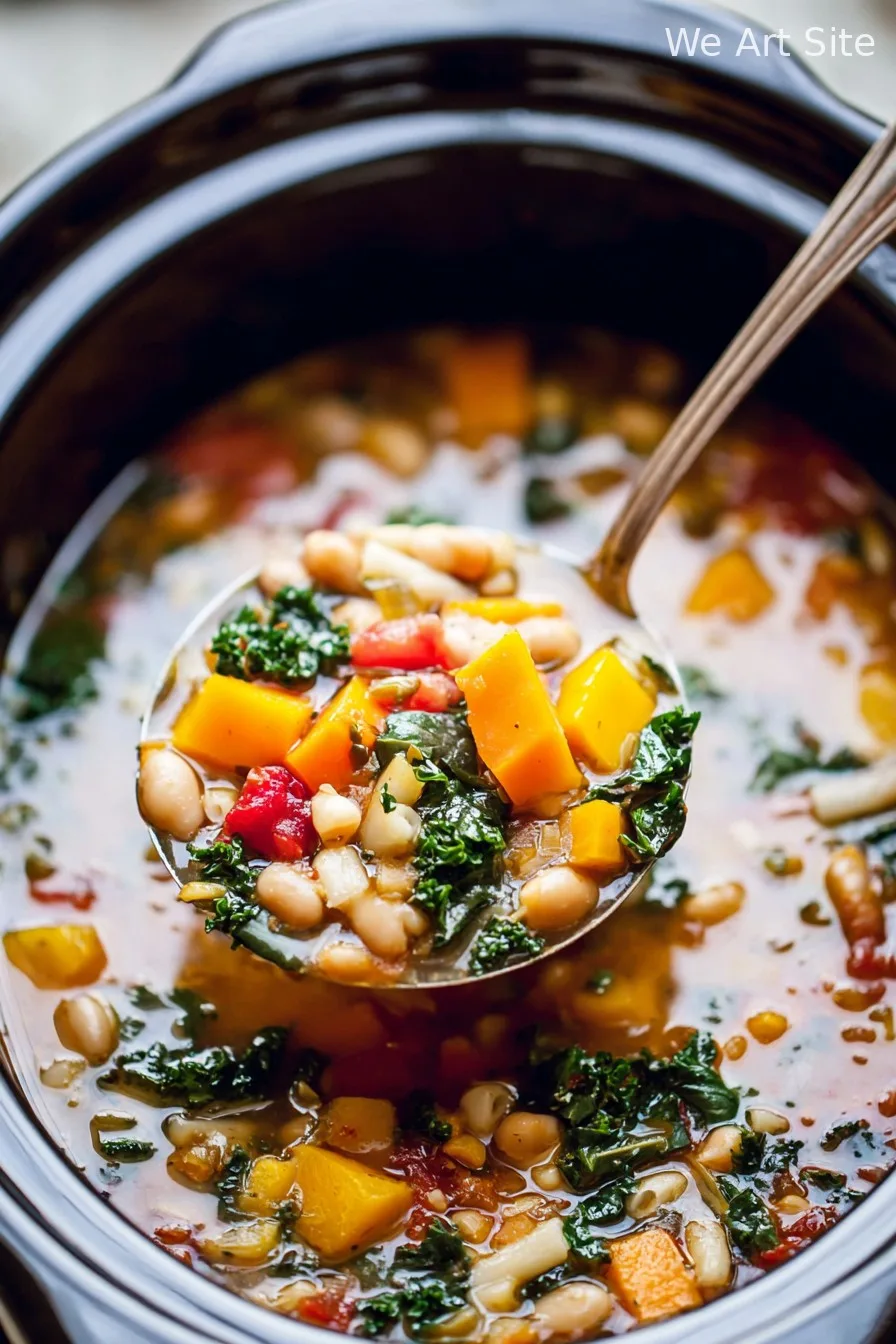
Ingredients
- 2 tablespoons olive oil
- 1 large onion, diced
- 2 carrots, peeled and chopped
- 2 celery stalks, chopped
- 2 cups butternut squash, peeled and cubed
- 1 zucchini, diced
- 1 can (400g) diced tomatoes
- 1 can (400g) cannellini beans, drained and rinsed
- 4 cups vegetable broth
- 1 cup small pasta shells
- 2 cups chopped kale
- 2 cloves garlic, minced
- 1 teaspoon dried thyme
- 1 teaspoon dried oregano
- Salt and black pepper to taste
Instructions
-
1Heat the olive oil in a large pot over medium heat. Add the onion, carrots, and celery, and sauté for 5 minutes until softened.
-
2Stir in the garlic, butternut squash, and zucchini, and cook for another 4–5 minutes.
-
3Add the diced tomatoes, cannellini beans, vegetable broth, thyme, and oregano. Season with salt and pepper. Bring to a boil, then reduce heat and simmer uncovered for 20 minutes.
-
4Stir in the pasta shells and cook for 8–10 minutes, until pasta is al dente.
-
5Add the kale and simmer an additional 2–3 minutes, until wilted. Adjust seasoning as needed.
-
6Serve hot with crusty bread, if desired.
CLICK FOR NUTRITION INFO
↑
Approximate Information for One Serving
Serving Size:
1 serving
Calories:
240cal
Protein:
9 gg
Fat:
6 gg
Saturated Fat:
0g
Trans Fat:
0g
Cholesterol:
0mg
Sodium:
0mg
Potassium:
0mg
Total Carbs:
38 gg
Fiber:
0g
Sugar:
0g
Net Carbs:
0g
Vitamin A:
0
Vitamin C:
0mg
Calcium:
0mg
Iron:
0mg
Nutrition Disclaimers
Number of total servings shown is approximate. Actual number of servings will depend on your preferred portion sizes.
Nutritional values shown are general guidelines and reflect information for 1 serving using the ingredients listed, not including any optional ingredients. Actual macros may vary slightly depending on specific brands and types of ingredients used.
To determine the weight of one serving, prepare the recipe as instructed. Weigh the finished recipe, then divide the weight of the finished recipe (not including the weight of the container the food is in) by the desired number of servings. Result will be the weight of one serving.
Did you make this recipe?
Please consider Pinning it!!